
Telehealth evaluation
Start with an online clinical intake reviewed by a licensed clinician, who assesses your goals, contraindications, and current treatment needs. Based on your state, a synchronous online visit may be required.
Start privately from home, share your goals, and connect with provider-reviewed treatment options, including compounded semaglutide and tirzepatide when clinically appropriate. Prescriptions are filled by Manifest Pharmacy.
Prescription products are issued only when clinically appropriate after provider evaluation.

Patients begin with an online evaluation, and a licensed clinician decides whether compounded semaglutide or tirzepatide is appropriate for them.
Start with an online clinical intake reviewed by a licensed clinician, who assesses your goals, contraindications, and current treatment needs. Based on your state, a synchronous online visit may be required.
When clinically appropriate, a licensed clinician may prescribe compounded semaglutide or tirzepatide, coordinate fulfillment through a licensed pharmacy, and support ongoing follow-up. Compounded medications are not FDA-approved.
A clinician-led weight loss program by telehealth. Your provider sets the treatment and dose for you.

Priced by your prescribed dose
Prescription products require an online consultation with a healthcare professional who will determine if a prescription is appropriate.
This is a compounded medication and is not FDA-approved. Its safety or effectiveness has not been verified by the FDA.
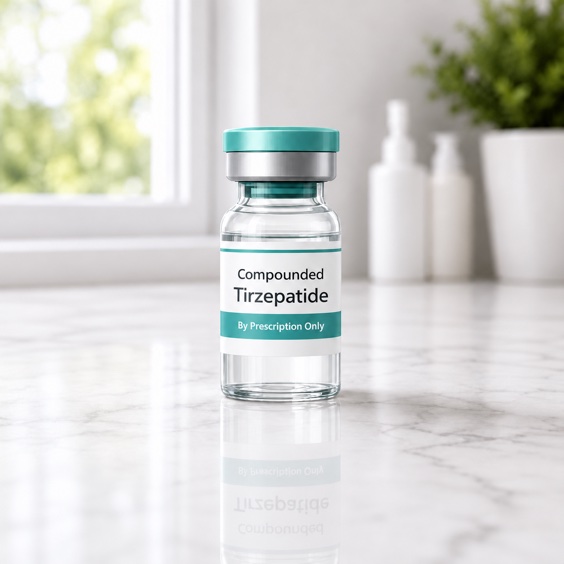
Priced by your prescribed dose
Prescription products require an online consultation with a healthcare professional who will determine if a prescription is appropriate.
This is a compounded medication and is not FDA-approved. Its safety or effectiveness has not been verified by the FDA.
Medications are issued only when clinically appropriate after provider evaluation. Regulate Care does not manufacture compounded medications. Actual product appearance and labeling may differ from website images. Prescription products require an online consultation with a healthcare professional who will determine whether a prescription is appropriate. Compounded medications are not FDA-approved, and their safety or effectiveness has not been verified by the FDA.
Regulate Care charges a membership, and medication is priced by the dose your provider prescribes.
Memberships renew automatically each month or year until you cancel, and include the initial doctor visit and refill management. You can cancel at any time in your account; your membership stays active until the end of the paid period, and payments already made are not refunded. Medication is billed separately when it ships. See our Returns & Refund Policy.
Call +1 (949) 208-9958 or email support@regulate.care for current pricing.
Get a personalized plan reviewed by a licensed healthcare provider, with ongoing support from home. If medication is appropriate, your provider will determine the treatment option and dosage for your needs.
Completing an intake does not guarantee a prescription, medication availability, or shipping timeline. Those are determined through clinical review and pharmacy fulfillment. Regulate Care does not accept insurance.

Licensed clinicians evaluate medical history, current medications, contraindications, and treatment goals before deciding whether compounded semaglutide or tirzepatide is medically appropriate. NIDDK's overview of prescription medications for overweight and obesity provides additional background on how these therapies are used in care plans.
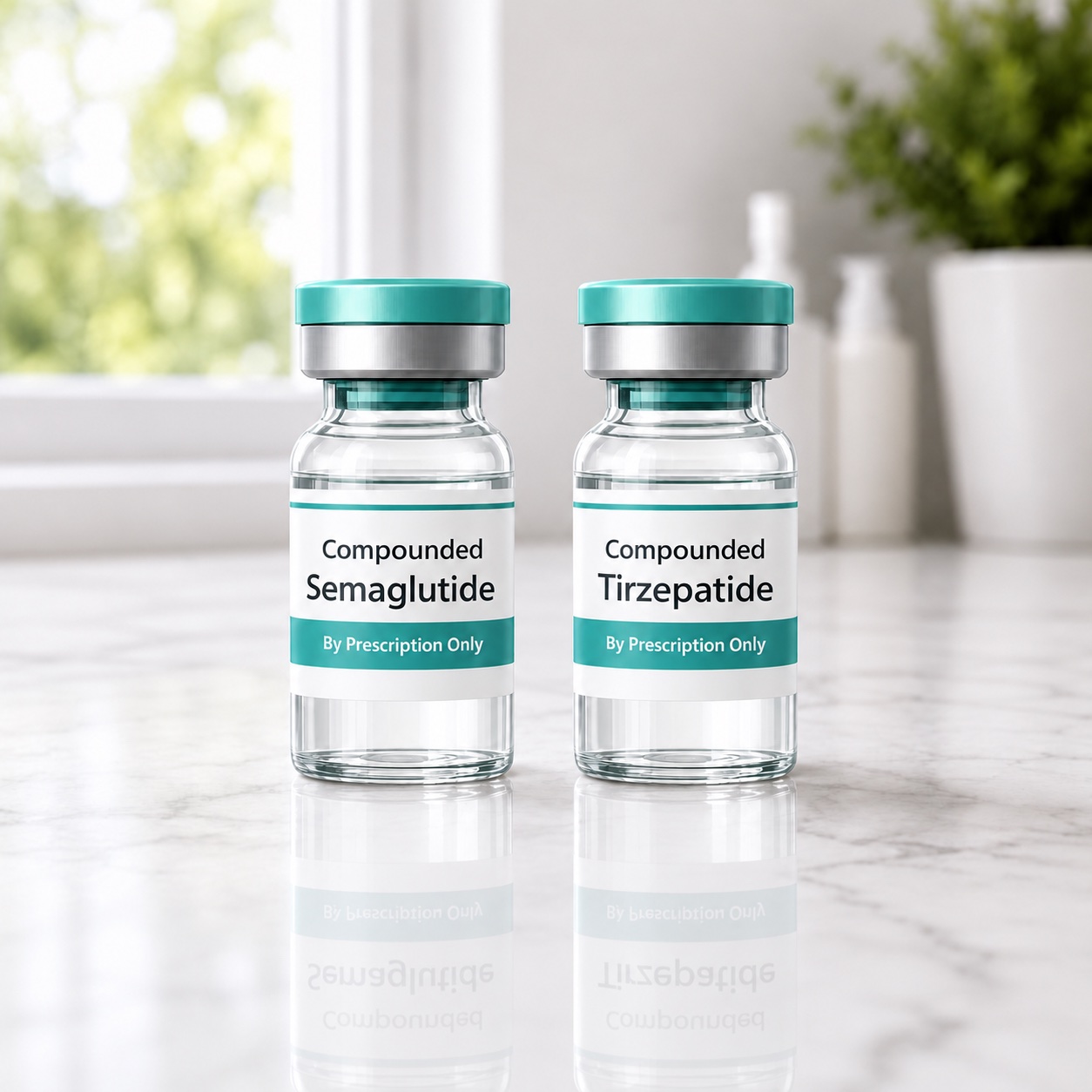
A 100% online and confidential health intake. Share your medical history, goals and current medications.
A licensed clinician reviews your answers before deciding whether treatment is medically appropriate. Based on your state, a synchronous online visit may be required. Completing an intake does not guarantee that medication will be prescribed.
If prescription treatment is appropriate, Manifest Pharmacy, a licensed pharmacy, ships it to your home for free.
Regulate Care follows up with you, monitors your treatment and coordinates your refills.
Regulate Care is a U.S.-based telehealth clinical care platform focused on medically supervised metabolic and weight care. Patients can access clinician-guided compounded semaglutide and tirzepatide through evaluation, prescribing when clinically appropriate, pharmacy coordination, and ongoing follow-up.
Regulate Care only supports prescription-based care. Completing an intake or paying for a visit does not guarantee that a GLP-1 medication will be prescribed. Medication choice, dose, refill eligibility, and follow-up care are based on clinical judgment, patient medical history, contraindications, medication availability, and applicable law.
Any medication prescribed through Regulate Care is dispensed by Manifest Pharmacy, a licensed pharmacy, subject to pharmacy verification, prescription requirements, availability, and pharmacist review. Compounded medications are not FDA-approved, and their safety or effectiveness has not been verified by the FDA. Regulate Care does not accept insurance.
Answers about GLP-1 medication, dosing and storage.
GLP-1 medications (glucagon-like peptide 1 agonists) are prescription drugs that improve blood sugar control and may lead to weight loss; results vary by drug and dose. Common side effects include nausea, vomiting and diarrhea, which can be reduced by increasing the dose gradually, exactly as prescribed. Low blood sugar is a more serious risk, mainly when combined with other drugs that lower blood sugar, such as insulin or sulfonylureas. GLP-1 medications are not recommended if you have had pancreatitis, or if you or a family member has had medullary thyroid cancer or multiple endocrine neoplasia; they caused thyroid tumors in rats, and the risk to humans is not known.
It is important to follow the prescribed doses and directions from your provider accurately in order to minimize risk and/or severity of potential side effects. If you have any questions regarding how to properly take your medication once you receive it, please reach out to us before taking for proper guidance from a licensed medication professional. Taking doses other than what is prescribed by your provider may have unintended and potentially dangerous side effects.
If you miss a dosage on your day of the week, please reach out to us before continuing your dosage. You may need to lessen your dosage for your next dose in order to minimize risk and/or severity of potential side effects.
These medications should be stored in the refrigerator between doses. GLP-1 medications are sensitive to temperature and could degrade if not stored properly.
You can take GLP-1 medications at any time during the day, without regard to meals. If your dosage is prescribed to take weekly, you should take your dose on the same day each week.
Please discuss your previous prescription and dosage with your provider during your medical intake process when enrolling and if medically appropriate, your provider will coordinate your dosage accordingly.
Start a secure intake. A licensed clinician reviews it and, if appropriate, prescribes treatment.
Start online visit